Philosophy
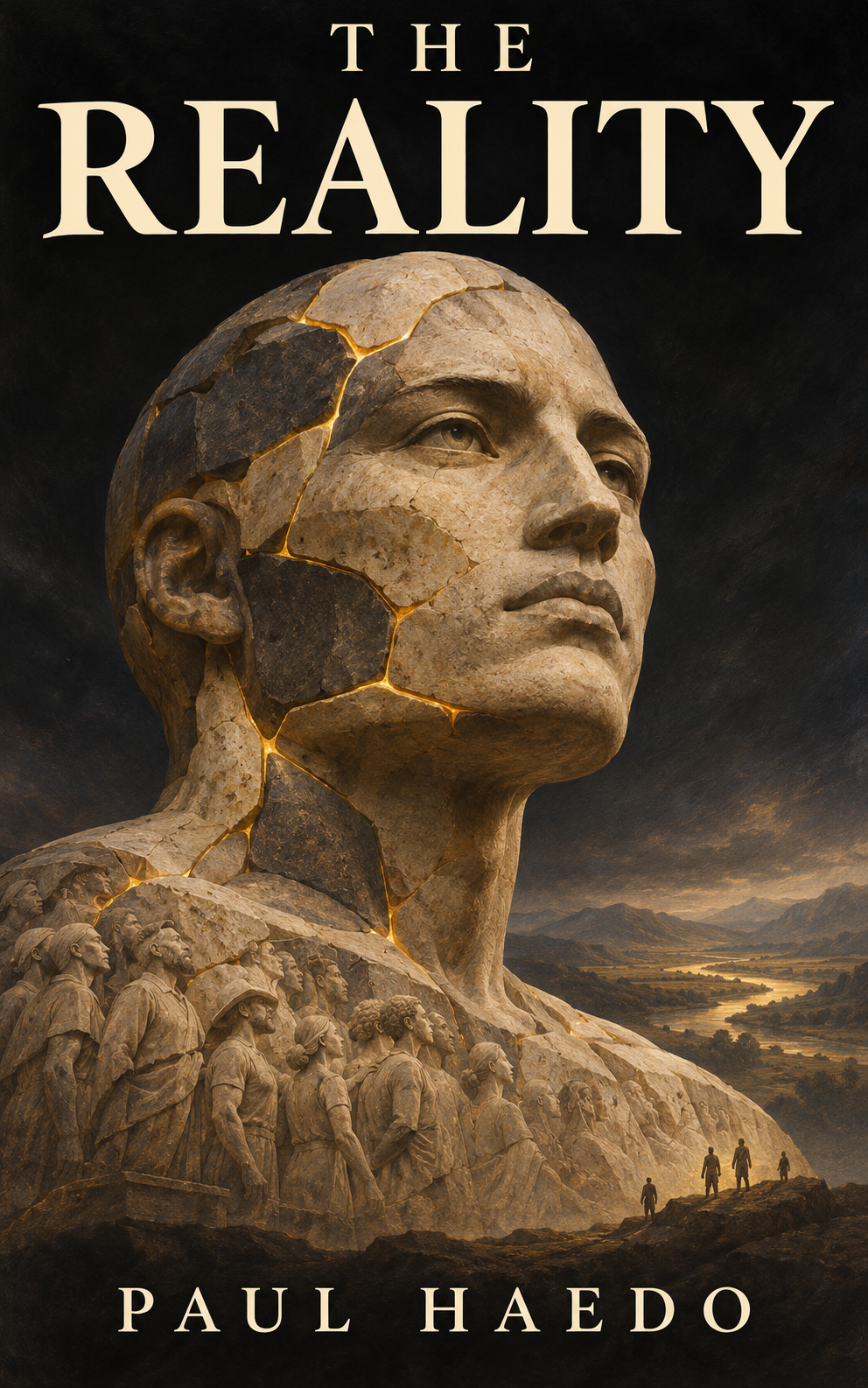
The Reality
By Paul Haedo
A philosophical booklet examining division within humanity and the prospect of a better shared future. Haedo argues that human separation is a fundamental obstacle and considers the possibility of collective improvement.
- Type
- Nonfiction
- Form
- Booklet
Find this book
Library ebooks are available through participating libraries. Follow the Libby / OverDrive or Hoopla link to check your library’s holdings and borrowing options.
Beyond the book
Why choose this book?
Choose this philosophical booklet for a compact argument about human division and collective possibility. Its scale offers a focused encounter with the author’s position.
What to expect
The book considers separation within humanity and prospects for a different shared future.
Before you begin
Treat its claims as philosophical arguments to assess. The brief website excerpt is not a substitute for the booklet.
Before you begin
No series prerequisite is recorded. Choose by the premise and themes.
These pages translate website guidance. They do not establish translated editions of the books. Check the language and format on the seller's listing.
Questions for your reading
How does the work define the problem it wants readers to consider?
Where to read next
- Future's Guardian
A shared reading question connects these books.
- The Communist Republic
A shared reading question connects these books.
- The Designer
A shared reading question connects these books.
Plan your reading
Supplied manuscript: 7,596 extracted words. This describes the supplied text, not a verified count for every retail edition.
Explore the manuscript companion →
Booklet.
Planning estimate: about 1–1 hours at 150–300 words per minute. Poetry, rereading and note-taking can take longer; this is not a retail-edition length claim.
Is this part of a collection?
No series prerequisite is recorded for this work.
A critical reading introduction
Original AI-prepared editorial introduction; not a manuscript excerpt. © Paul Haedo. Original introduction, not quoted manuscript text.
The Reality is a short philosophical work concerned with division and the possibility of a shared future. Approach its ideas as an argument to examine, rather than as a factual account of humanity’s past.
A useful first question is how the work moves from describing a problem to imagining change. Notice which assumptions support that movement, and consider what evidence would be needed to evaluate them outside the book.
Read the introduction with adjustable type →
Download this introduction as plain textCan I preview or borrow it?
Use the verified edition links above to check retailer preview options or participating library holdings. Previews, prices, and borrowing availability are controlled by the provider.
Explore its reading themes
Continue exploring
Continue exploring
Where to read next
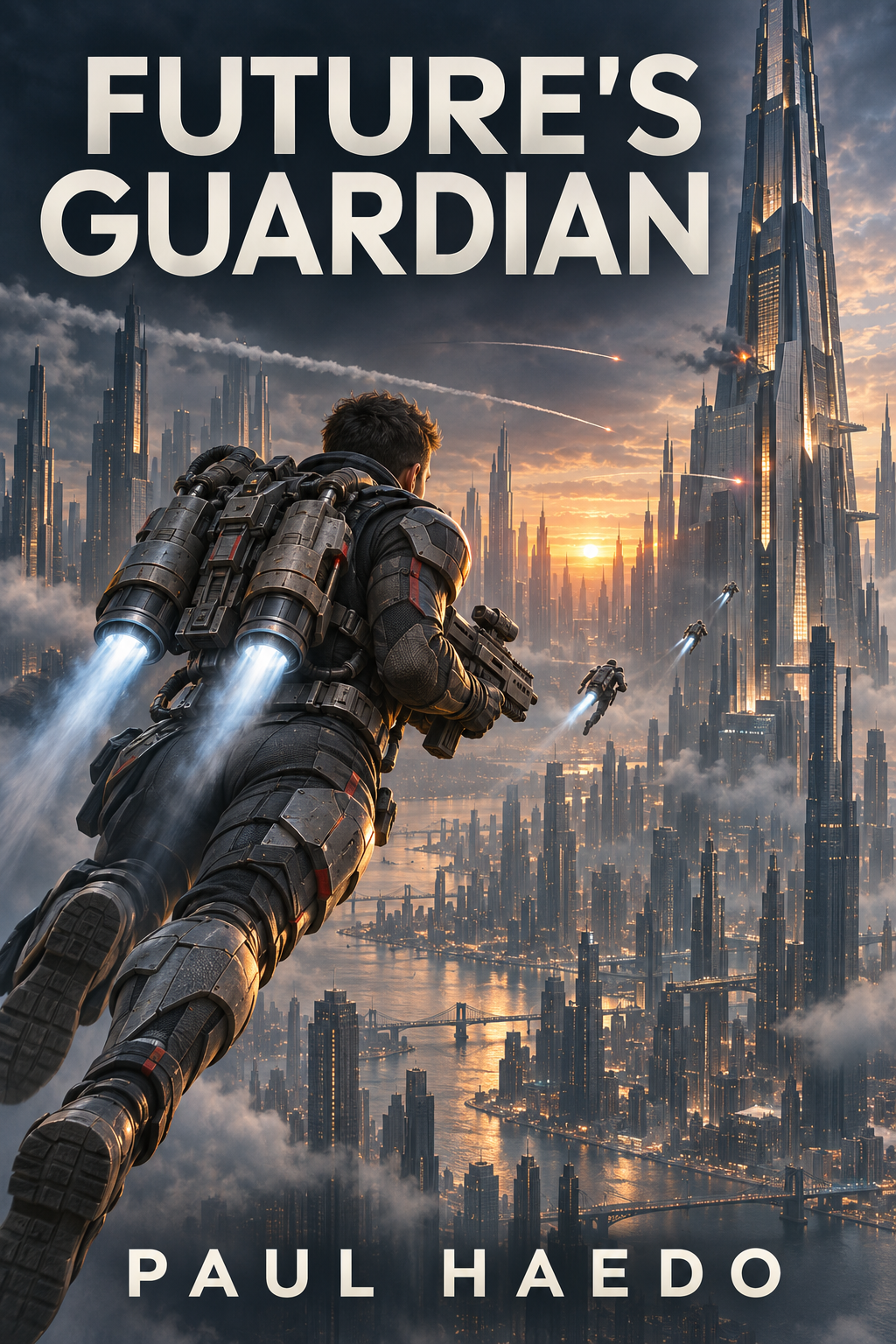
Future's Guardian
A shared reading question connects these books.
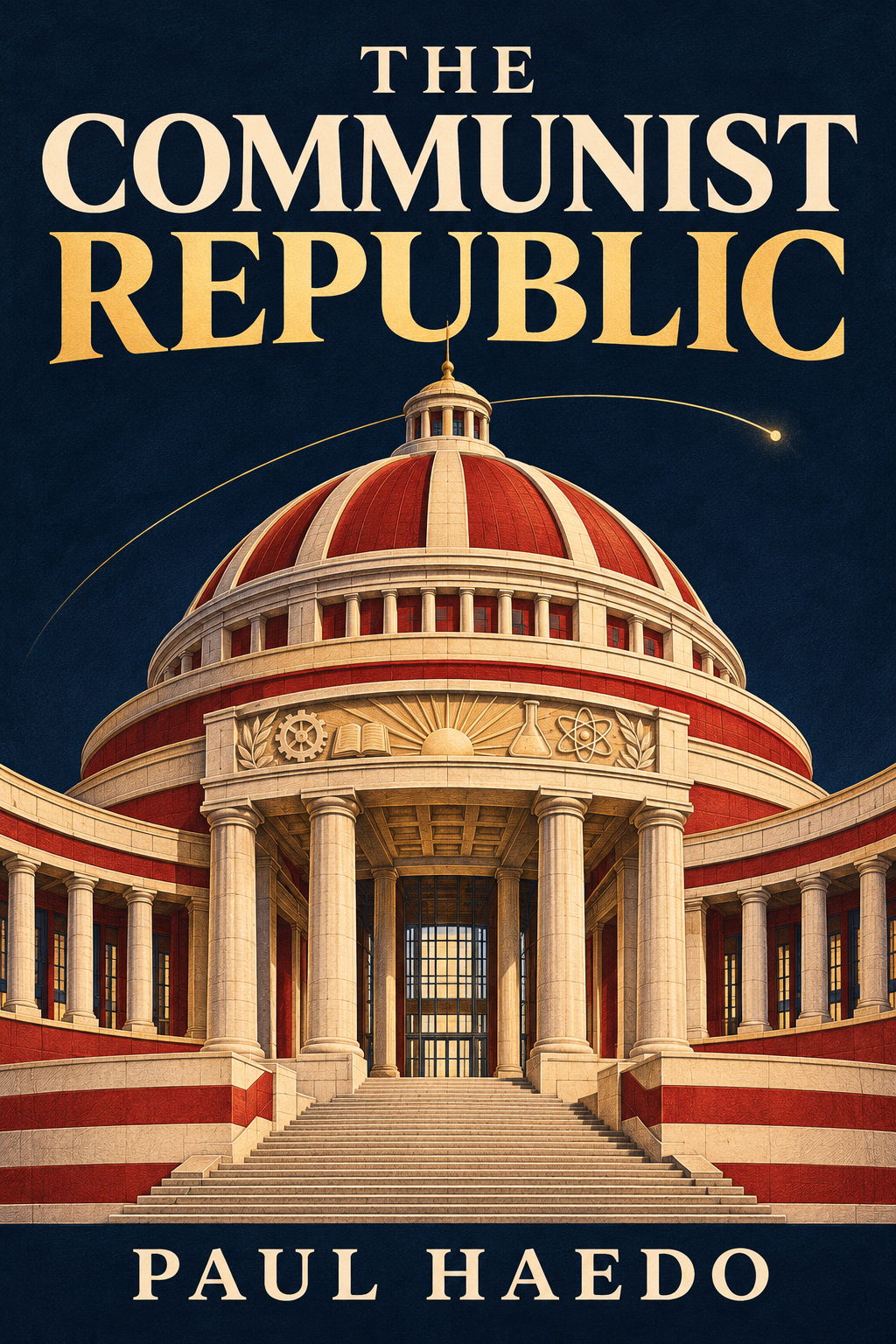
The Communist Republic
A shared reading question connects these books.
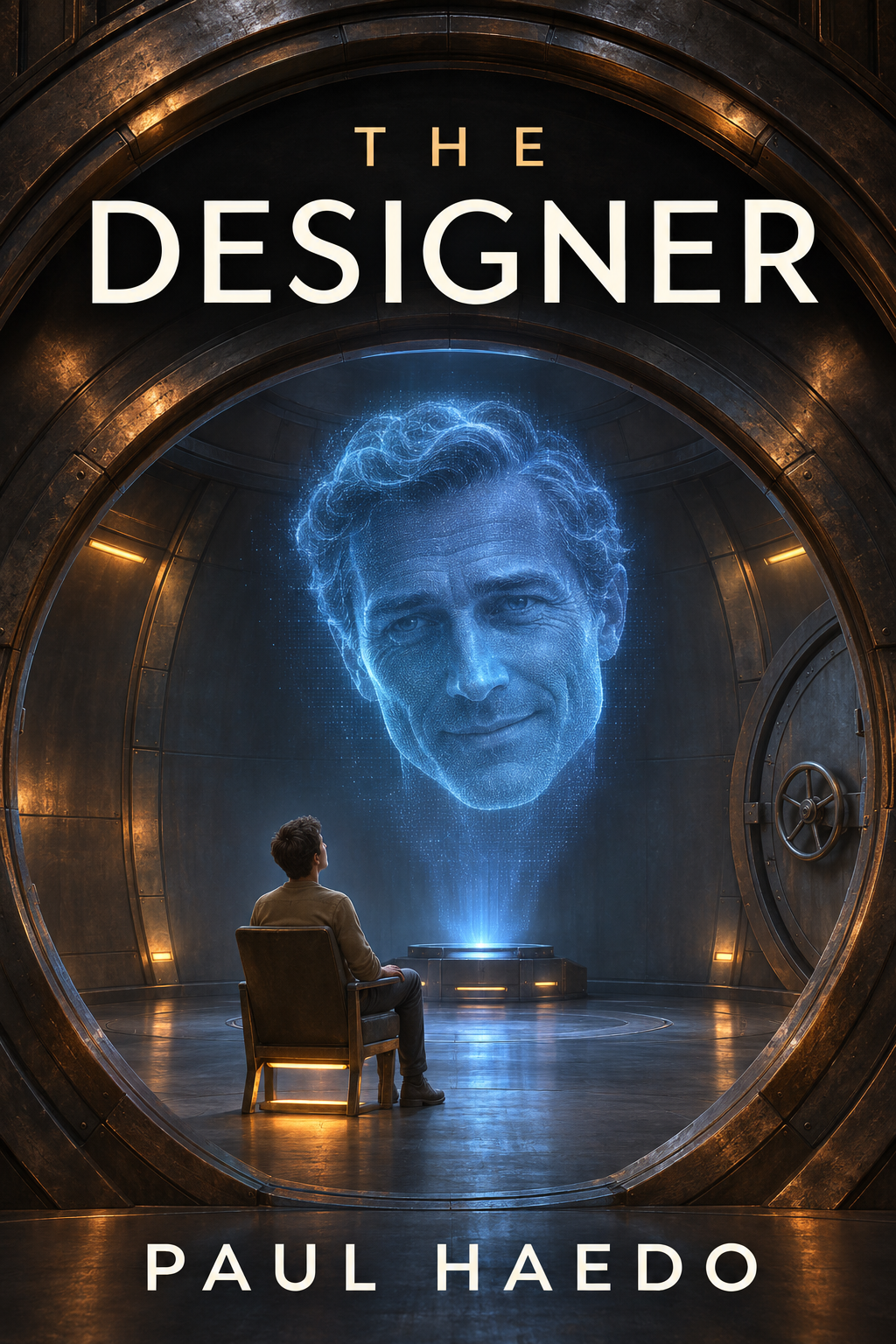
The Designer
A shared reading question connects these books.