Editorial reading guide / Published premises
Belief, institutions, and imagined societies
Read fictional institutions alongside clearly identified nonfiction arguments about shared life.
Prepared for the Paul Haedo author website · Updated 13 November 2026 · Spoiler level: published premises only
Eranianism and The Word of Era are fictional religious lore used to explore villains and oppressive civilizations. Their harsh views are not Paul Haedo’s personal beliefs.
The stories a society inherits
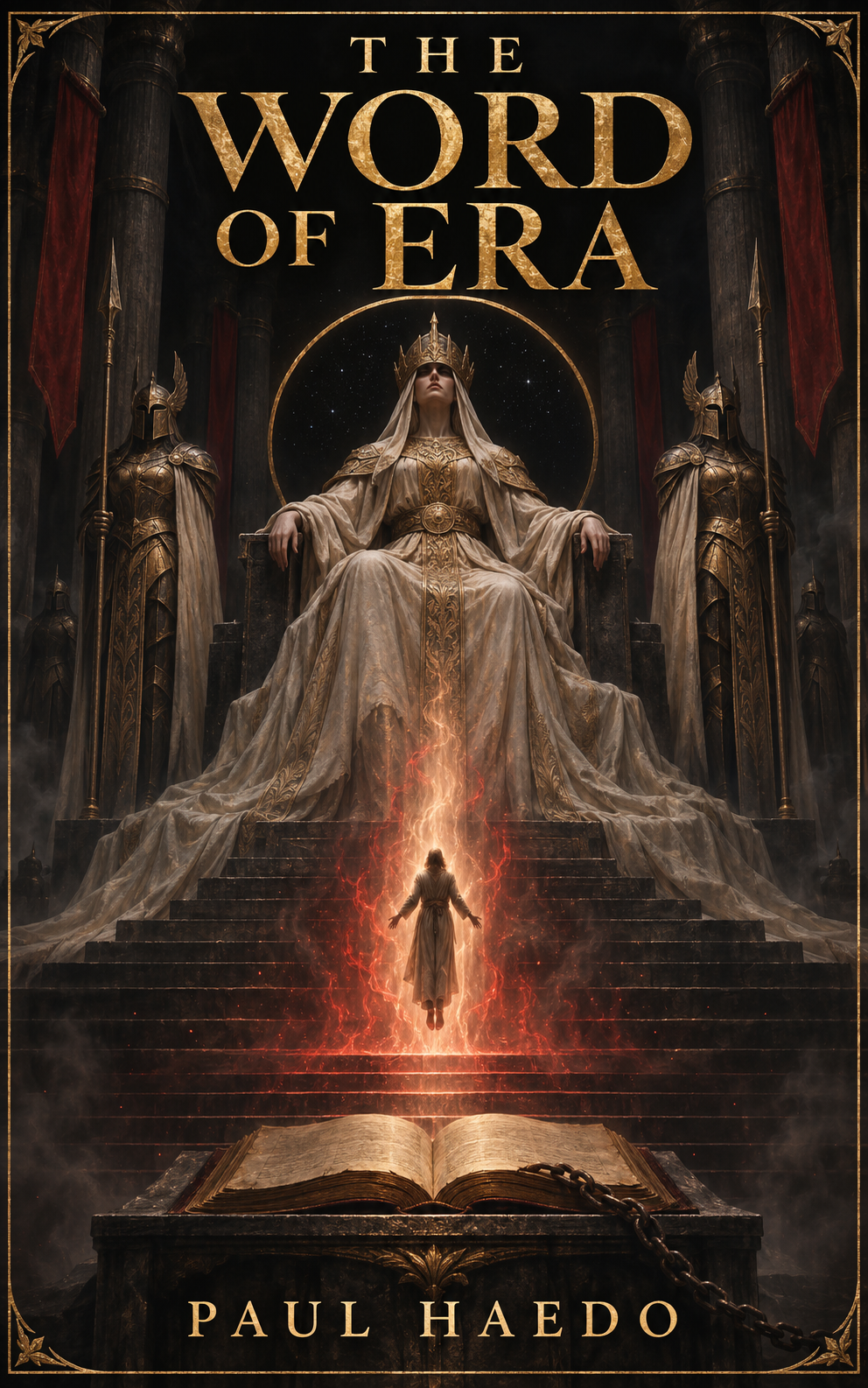
The Designer links Father’s work of preservation with a later Church of Father. The Word of Era presents a religious text from imagined Eranian civilizations, with tales of rival gods, conflict, hope, and collective empowerment. These premises offer different forms for exploring belief: a novel about people living with an institution, and a fictional text belonging to an imagined tradition.
Link to this sectionAn institution organizing daily life
Future’s Guardian centers compulsory employment in a corporate New York. Its premise can be read beside the religious settings to ask how an institution becomes part of everyday expectations. This is an editorial comparison, not a claim that the books share one setting or that their institutions represent the author’s preferred society.
Link to this sectionCrossing into nonfiction
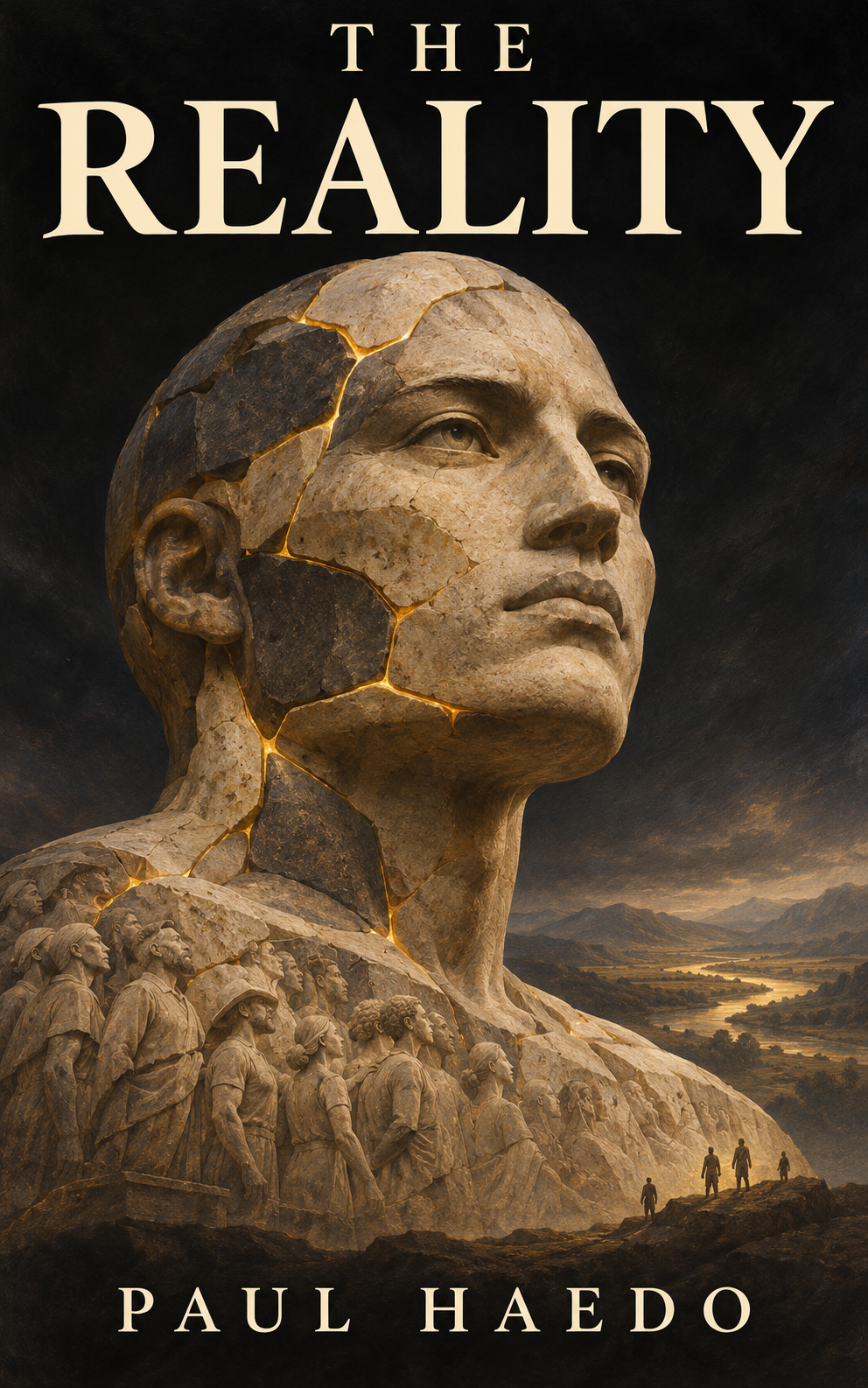
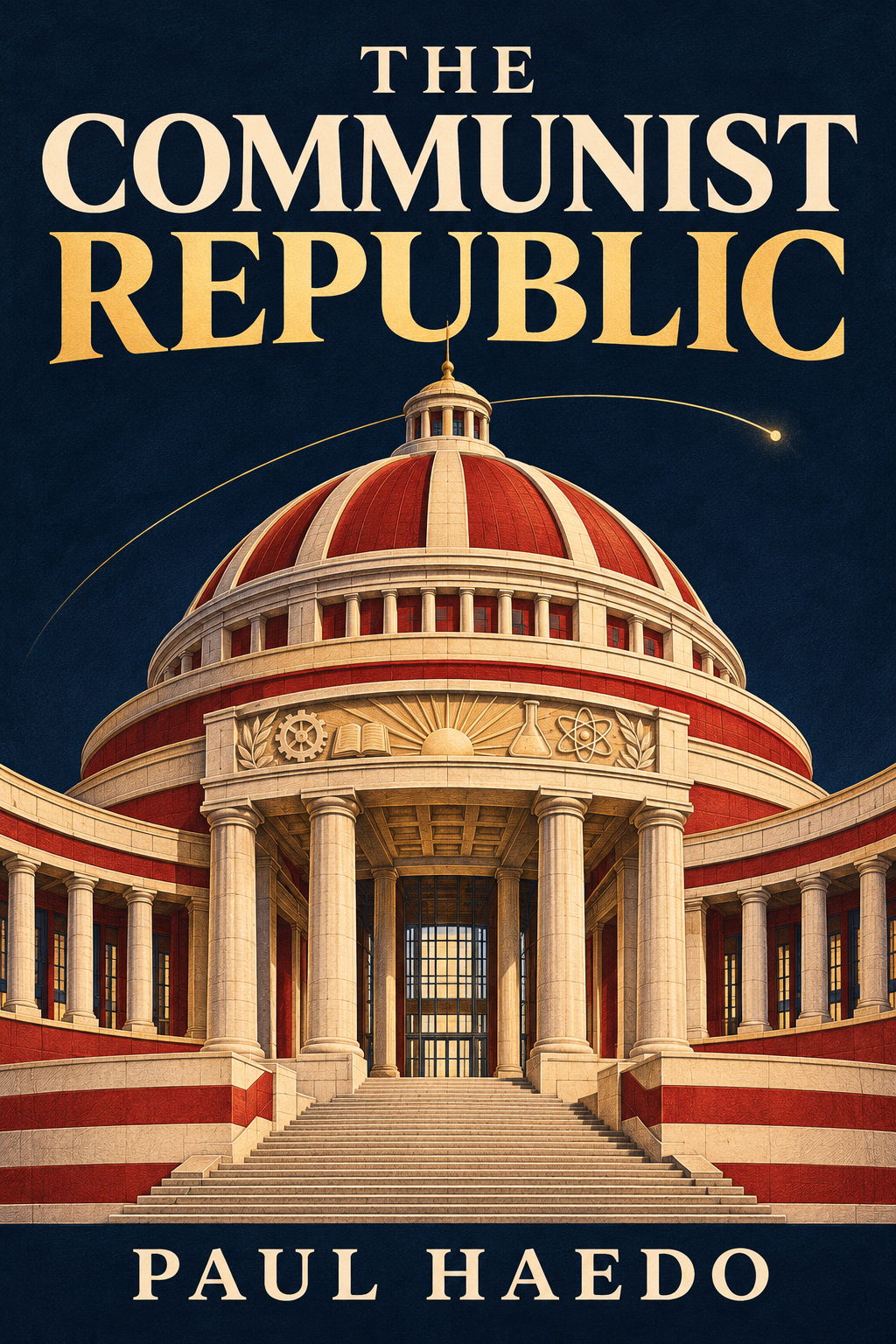
The Reality considers human division and a shared future. The Communist Republic describes the author’s proposed transitional socialist state. These are nonfiction arguments and should be assessed as arguments, separately from fictional institutions. Reading across forms can help distinguish what a story depicts, what a narrator says, and what a nonfiction work explicitly proposes.
Link to this sectionBooks in this reading guide


Questions to take into your reading
- How are a society’s institutions explained to the people who live within them?
- What changes when an idea appears in fiction rather than in a direct argument?
- Which statements are descriptions, interpretations, or proposals?
Go deeper into the manuscripts
- Created to protect: purpose and its interpreters
- What survival requires: work, movement, and dependence
- From personal resolve to collective institutions
- Reading an imagined scripture: form and voice in The Word of Era
- Authority and its boundaries: a critical approach to The Word of Era
- Reading the working day: routine as a starting point
Sources and scope
The comparisons above are editorial suggestions grounded in the author-approved descriptions for the linked books. They do not establish shared continuity, reveal endings, or represent independent reviews. The source listing links for each premise are available on its book page.
Explore another theme →